
Concrete Leveling
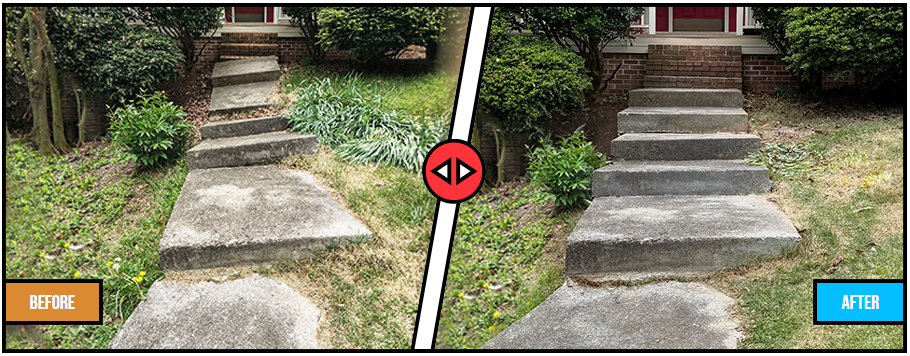
Sunken or uneven concrete around your home can affect safety, drainage, and everyday use of your outdoor spaces. Instead of traditional mudjacking or slabjacking, Stapleton Foundations uses polyurethane foam injection, a concrete leveling method that can lift settled slabs with less downtime. The lightweight foam expands beneath the concrete to fill empty spaces and support the slab from below.

Contact Middle Georgia’s Local Foundation Repair Experts
What Causes Concrete Slabs to Settle in Georgia?
Several factors can contribute to concrete settlement in Middle Georgia. The region straddles Georgia’s Fall Line, where red clay soil to the north meets sandier Coastal Plain soil to the south. Both soil types can wash out or compact unevenly beneath concrete slabs, leaving unsupported areas below the surface.
Water moving beneath or around concrete is a major contributor to concrete settlement. If grading, downspouts or drainage systems direct water toward your concrete, the soil beneath the surface can become saturated. Over time, heavy rains can wash soil through gaps and cracks, creating unsupported areas beneath the slab.
How Can You Tell Your Concrete Needs Leveling?
The following signs may indicate that concrete has settled and may benefit from leveling:
Visible sinking or unevenness:
Look for sections that sit lower than the surrounding concrete on your driveway, sidewalk or patio.
Lips or steps between slabs:
You may notice lips or steps between where slabs meet, which can become trip hazards.
Separation from structures:
If concrete has separated from your foundation, garage floor or steps, it may leave visible gaps that should be inspected.
Water pooling:
Instead of water draining away from concrete surfaces after it rains, you may notice water pooling.
Cracks:
Settling can cause cracks to form, and these may widen over time as the concrete shifts.
Schedule a Free Concrete Leveling Inspection
An inspector can tell you whether your slab needs foam injection now or whether it’s worth watching for now. There’s no cost and no obligation either way.
What Causes Concrete Slabs To Settle in Georgia?
Macon sits close to Georgia’s Fall Line, the boundary between the Piedmont region to the north and the Coastal Plain to the south, so the soil under a Middle Georgia property isn’t always the same from one yard to the next. North and west of the city, the ground is often the region’s red clay, which swells when it absorbs water and shrinks as it dries out, a cycle that opens gaps beneath a slab over years of wet and dry seasons. South and east, sandier Coastal Plain soil doesn’t swell the same way, but it drains fast and erodes more easily, washing out from under a slab during heavy rain.
Other Common Causes of Foundation Issues
Beyond the soil itself, a handful of other factors determine how quickly a slab settles:
- Poor Drainage or Grading: Water directed toward a slab instead of away from it saturates the soil underneath unevenly, speeding up erosion or clay expansion depending on which soil type is present.
- Soil Washout: Water running under a slab from a downspout, a leaking pipe, or poor grading carries soil away and leaves a void the concrete eventually drops into.
- Improper Compaction: Soil that wasn’t compacted properly when the concrete was originally poured settles on its own over time, regardless of soil type.
- Age and Original Construction: Older slabs have had more time for any of the above to compound, and some were poured over soil that wouldn’t meet today’s compaction standards.
Most settled slabs are dealing with more than one of these at once, soil type plus a drainage issue, or age plus poor original compaction. That combination is what a real inspection accounts for, rather than assuming the cause is the same for every property in the area.

Other Common Causes of Concrete Settlement Include
OUR Concrete leveling Services
Stapleton Foundation Systems raises settled concrete with polyurethane foam injection, sometimes called slab jacking. The exact repair depends on what’s actually happening underneath and around the slab.
Polyurethane Foam Injection
A lightweight, high-density foam is pumped through small holes drilled into the concrete. As it expands, it fills the void beneath the slab and lifts it back to level, usually within the same visit.
Slab Jacking (Concrete Lifting)
Using specialized equipment, we carefully raise sunken or uneven concrete slabs from below. This process restores a smooth, even surface without the need for messy demolition or full replacement.
Void Filling
Where soil has eroded or settled without lifting the slab noticeably yet, foam is injected to fill the empty space and stop the settling before it shows up above ground.
Concrete Crack Repair & Sealing
Once a slab is level, any cracks caused by the settling are sealed to keep water from getting underneath again and starting the process over.
Joint Stabilization
The joints between separate slab sections, like where a driveway meets a garage apron, are reinforced to reduce movement between them and keep the surfaces level with each other over time.
An inspection determines which of these a property actually needs. Void filling and joint stabilization only get added when the inspection shows they’re required, keeping the repair to what actually needs doing.
Here’s why Middle Georgia homeowners trust Stapleton for concrete leveling and lifting:


Every project gets our full attention, care, and respect – just like we’d want for our own families.

We use industry-leading products and back our repairs with strong warranties for your peace of mind.

As locals, we understand the unique challenges of Georgia’s soil and climate.

We’re innovators. Our custom pier systems are trusted and used by foundation experts across the country.

No upselling, no pressure, just honest solutions that fit your situation.
Our 3-Step Concrete
Leveling Process
At Stapleton, we follow a straightforward approach to concrete leveling:
During your free inspection, we’ll examine your concrete, identify why it settled and explain your repair options. We provide a detailed, no-obligation estimate.
Our team drills small holes in the affected concrete and injects polyurethane foam beneath the surface. As the foam expands, it fills voids and lifts the slab toward a more even grade.
Finally, we seal the injection holes and address any cracks or joints that need attention. At the end of a project, we thoroughly clean the work area and explain when you can use the surface again so you know what to expect.
Proven Expertise With Concrete Leveling
We bring several years of experience serving homeowners in Middle Georgia to every project. This experience helps us understand local soil conditions, from the red clay north of the Fall Line to sandier soil in the southern parts of the region, and how these conditions affect concrete over time. Our team uses proven methods and professional-grade materials designed to provide durable support.
Ask The Experts!
Q: Why is my driveway or sidewalk sinking?
It comes down to what’s happening in the soil underneath. In the clay-heavy soil common north and west of Macon, the ground swells when it’s wet and shrinks as it dries, opening a gap the concrete eventually settles into. In the sandier soil common south and east of the Fall Line, water erodes the ground under a slab instead, with the same result: the concrete drops into whatever space is left.
Q: What's the benefit of leveling instead of replacing?
Leveling raises your existing concrete instead of tearing it out and pouring new, so there’s no demolition and no curing time before you can use the surface again.
Q: Will this fix the cracks in my concrete?
Leveling raises the slab and closes the gap causing it to settle. If the settling caused a crack, we seal it afterward, which keeps water from getting underneath and starting the movement again. A crack that isn’t related to settling is a different repair, and we’ll tell you that during the inspection.
Q: How long does this take, and when can I walk or drive on it?
Most jobs are completed in a single visit. Because polyurethane foam sets within minutes, the surface is typically ready to use again the same day.
Q: Is concrete leveling a permanent fix?
It is, as long as whatever caused the settling gets addressed along with the slab itself. Filling the void and stabilizing the joints stops the same soil movement from causing the same problem again.
Q: Can all types of concrete be leveled?
Most driveways, sidewalks, patios, and pool decks are good candidates, but that depends on the specific slab and what’s underneath it, which is what the inspection is for.
Contact Stapleton for Concrete Leveling
If you’ve noticed sunken concrete around your home in Middle Georgia, Stapleton can help. Call 478-309-8158 or contact us online to schedule your free inspection. We serve homeowners throughout Middle Georgia, including Macon, Warner Robins, Perry and surrounding communities.
